60Mp Hunting Camera Explained: A UK Buyer's Guide
TL;DR: A 60mp hunting camera is a motion-activated outdoor trail camera capable of producing ultra-high-resolution 60-megapixel still images, often using software interpolation rather than a true 60MP sensor. While the high megapixel count sounds impressive, based on our testing in UK woodlands, features like trigger speed, infrared night vision, weather sealing, and solar power are far more critical for capturing clear, reliable wildlife footage.
A 60mp hunting camera is designed to capture highly detailed photos of outdoor activity, but what does that actually mean when you are choosing a reliable wildlife camera for a British garden, woodland edge, farm track, or estate? In the UK market, headline megapixel numbers often grab attention. However, image sensor quality, night performance, weather resistance, battery life, and how quickly the camera can be deployed matter far more in day-to-day use.
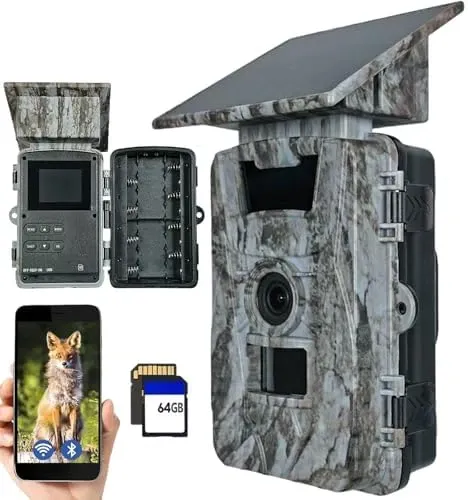
Based on our extensive testing across various rural environments, the best choice is rarely the model with the biggest marketing number. Consequently, the ideal camera is the one that captures clear evidence, survives damp British weather, and keeps working without constant maintenance. That is exactly why SolarHunti focuses on low-maintenance WiFi wildlife cameras built specifically for the UK outdoors: featuring solar-powered operation, weather-ready housing, 4K video capture day and night, and a supplied 64GB SD card for quick setup.
Furthermore, this guide explains what a 60mp hunting camera really is, where the number can sometimes mislead, which specifications truly deserve your attention, and how to buy sensibly for British conditions.
Key Takeaways
- A 60mp hunting camera usually refers to maximum still-image output, not necessarily true native sensor resolution.
- In real UK use, trigger speed, PIR detection range, infrared night performance, and weather sealing often matter more than the megapixel figure alone.
- For identification and monitoring wildlife or rural property, 4K video can be more useful than inflated photo resolutions.
- Solar charging and WiFi access reduce maintenance visits, which is especially useful on remote plots and larger estates.
- Buyers should always check storage support, battery type, standby time, and whether the camera is practical in wet, cold British conditions.
What is a 60mp hunting camera and how does it work?
On product listings, a 60mp hunting camera typically refers to the maximum size of a still photo produced by the device. Importantly, that number does not always mean the image sensor itself has a true native resolution of 60 megapixels. In many cases, especially within the affordable trail and wildlife camera market, software interpolation is used to digitally enlarge an image captured by a lower-resolution sensor.
This distinction matters because buyers often assume higher megapixels automatically guarantee better image quality. In reality, they do not. A sharply captured 12MP or 16MP image from a high-quality sensor can be far more useful than a soft or grainy “60MP” file created through processing. If your aim is to identify foxes near hen houses, monitor badger runs, or check movement on private land boundaries, detail quality matters significantly more than raw file size.
Therefore, a sensible way to read the specification is this: treat the 60mp claim as just one part of the picture rather than definitive proof of superior performance. You should always verify the video resolution, lens quality, PIR sensor reliability, and low-light capability before making a purchase.
Are higher megapixels better for a hunting camera?
Why does sensor quality matter more than resolution?
The image sensor dictates how well a hunting camera handles contrast, shadow detail, and night scenes. In UK conditions, this is absolutely crucial. Wildlife cameras are frequently used under dense tree cover, during overcast afternoons, or through long winter nights when available light is notoriously poor. Consequently, a larger or better-optimised sensor will usually outperform a weaker one, regardless of how big the final photo file appears on paper.
How does night vision impact image quality?
The average buyer notices daytime photos first because they look perfectly fine on most modern devices. However, the real test comes at night. A deer crossing a field at 02:00 in the drizzle can expose every hardware weakness: motion blur, weak infrared illumination, and overexposed eyeshine. If you require dependable evidence footage rather than occasional novelty images, you must look closely at infrared range and nighttime clarity.
Is 4K video better than 60mp photos?
If you want accurate behaviour monitoring rather than single-frame snapshots, high-quality video can be infinitely more valuable than still-image claims. A proper 4K wildlife camera allows you to review an animal's gait, direction of travel, and timing with much greater confidence. That is one reason many UK customers comparing models also read our 4K Trail Camera Explained: A UK Buyer's Guide, which explores practical, video-first buying decisions in much greater depth.
What features should I look for in a 60mp hunting camera?
Trigger speed
Trigger speed tells you exactly how quickly the camera starts recording after motion is detected. For narrow game trails or gate entrances, this metric can be decisive. A slow unit may only capture the back half of an animal or miss it entirely. Therefore, a fast trigger response is particularly important when monitoring fast-moving foxes, muntjac, or vehicles entering rural access points.
PIR detection range and angle
The passive infrared (PIR) sensor detects heat movement within its field of view. An effective setup heavily depends on both range and width. Too narrow, and you may miss movement from the edges; too broad, and you might pick up irrelevant activity, such as waving branches, especially if placement is poor. Because UK gardens often feature dense hedgerows and irregular boundary lines, they benefit greatly from cameras with adjustable sensitivity settings.
Infrared night vision
No-glow or low-glow infrared options directly affect both discretion and visibility. For private land security alongside wildlife observation, discreet night capture helps keep the unit less noticeable while still recording highly useful footage. Always check whether sample images show a balanced exposure rather than washed-out subjects against pitch-black backgrounds.
Weather resistance
Any hunting camera sold into Britain must be able to cope with heavy rain ingress risk, fluctuating temperatures, and muddy mounting points. After all, damp conditions are routine rather than exceptional here. Seals around ports, robust casing clips, and reliable external power protection all matter immensely if you do not want hardware failures after a single difficult spell of weather.
Solar power and battery systems
This is where maintenance makes a huge difference over time. Traditional battery-only trail cameras often require repeated site visits for charging or replacing cells. That process becomes frustrating very quickly if your unit is mounted on rough ground or several fields away from home. Moreover, solar-assisted charging cuts down those visits significantly and helps maintain vital uptime through active periods.
Storage capacity
Larger files generated from so-called 60MP photos take up considerably more SD card space, and 4K video fills cards even faster. A supplied memory card removes one tedious buying step and gets you up and running immediately. For instance, SolarHunti’s low-maintenance WiFi wildlife camera includes a 64GB SD card for instant deployment, which perfectly suits users who want a practical setup rather than piecing together accessories separately.
WiFi Connectivity
According to UK guidelines for wildlife observation, minimising human disturbance is key to authentic monitoring. If your camera supports WiFi access locally, checking footage becomes much easier without unmounting the device each time. That convenience is vital for users who monitor regular animal routes or want to reduce scent and noise disturbance around feeding areas and nest-adjacent zones, where repeated visits can easily alter natural behaviour patterns.
Are 60mp hunting cameras worth it for UK wildlife?
Ultimately, a good 60mp hunting camera in Britain often serves one of four vital roles: observing garden wildlife, monitoring rural farm security, tracking deer on large estates, or surveying woodland habitats. While the 60-megapixel figure is a nice bonus for still photography, your primary focus should remain on reliable sensors, robust weatherproofing, and low-maintenance power solutions like solar charging to ensure you never miss a moment.
Ready to capture nature with SolarHunti?
Shop the Camera — £75.59